Cottage Doodle: A Versatile Graphic Design Asset for Crafts
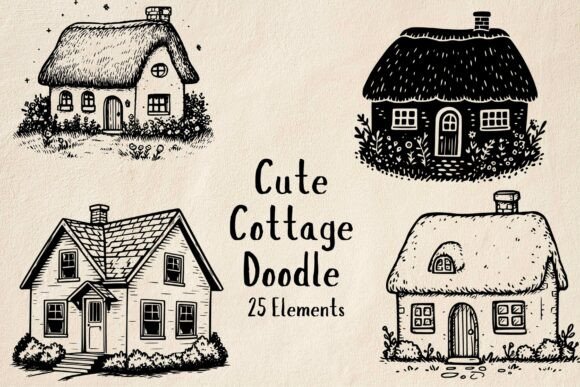
As an experienced digital product creator, I’ve evaluated countless design assets over the years—each with its own strengths and limitations. When I first came across Cottage Doodle, it immediately caught my eye with its soft, whimsical charm. The doodle style feels like a gentle nod to rustic simplicity, which makes it especially appealing for craft-focused audiences. Whether you're designing for Etsy, print-on-demand platforms, or even Canva templates, Cottage Doodle offers a fresh visual angle that can elevate your product line while staying true to a cozy, handmade aesthetic.
First Impressions and Niche Appeal
The first thing that stands out about Cottage Doodle is its mood. It’s not overly bold or aggressive; instead, it exudes warmth and playfulness. This kind of vibe naturally appeals to those who love farmhouse themes, nature-inspired decor, and minimalist crafts. The design doesn’t scream for attention but invites the viewer in with subtle detail work and a sense of authenticity.
I see this asset resonating most with female buyers aged 25–45 who are into home décor, stationery, and seasonal crafting. Its versatility allows it to be used year-round, but there's also a clear potential for festive adaptations—think holiday cards, winter-themed stickers, or autumn wall art.
Product Applications Across Platforms
Cottage Doodle is adaptable enough to serve as the core element in various sellable formats. Here’s how I've seen similar designs perform well in real shop scenarios:
- SVG products for Cricut or Silhouette projects—great for vinyl stickers, wall decals, or layered paper crafts.
- PNG designs for t-shirt graphics, mug wraps, tote bag prints, and other print-on-demand items.
- Clipart bundles paired with matching borders or backgrounds to create cohesive sets for digital downloads.
- Sublimation designs on tumblers or phone cases, where the soft lines and muted tones translate beautifully onto ceramic and plastic surfaces.
- Printable wall art or nursery prints, especially when paired with clean typography for a modern-rustic feel.
- Planner stickers and greeting card templates—ideal for users who want a hand-drawn look without sacrificing clarity.
- Canva templates for blogs, social media posts, or promotional visuals where a touch of cottagecore adds character without overwhelming the layout.
Designing for Commercial Use
When integrating Cottage Doodle into commercial products, it's important to test how it functions across different mediums. For example, if you're planning to use it for SVG cut files, check the cut quality carefully—especially if the design includes intricate details or overlapping shapes. As for print-on-demand, ensure the colors remain consistent across fabric types and printing methods. On darker substrates, consider adjusting the color palette to maintain visibility.
I recommend using white backgrounds for digital listings to showcase the doodles clearly, and dark backgrounds for more dramatic effect on printed items like mugs or face masks. Always preview the design at both full size and thumbnail scale to assess its appeal and legibility in Etsy product listings or marketplace feeds.
Testing Before Launch
Before publishing any product featuring Cottage Doodle, here’s what I do:
- Create product mockups using tools like Placeit or Mockup World to visualize the design on actual items.
- Generate thumbnails for online marketplaces and check whether the doodle maintains its charm at smaller sizes.
- Test print samples on different materials (cotton, polyester, ceramic) to verify color accuracy and durability.
- Inspect PNG transparency to ensure no unwanted white space appears around elements when placed on dark or patterned backgrounds.
- For SVGs, run them through my Cricut machine to confirm that all lines cut cleanly and layers align properly.
Where Cottage Doodle Shines
This graphic design asset really comes into its own in a few key areas:
- Large product previews—its soft, flowing lines look elegant on big-format prints or digital banners.
- Themed bundles—I could easily pair Cottage Doodle with related illustrations to form a “Farmhouse Essentials” collection for Etsy or Creative Fabrica.
- Decorative layouts—whether in printable calendars or scrapbooking kits, the doodle brings a warm, inviting feel to the page.
- Merchandise graphics—on mugs, tote bags, or throw pillows, it complements both minimalist and detailed design approaches.
- Social media promos—the doodle works well in Instagram Stories, Pinterest pins, or Facebook ads when combined with lifestyle imagery or pastel color schemes.
Where to Be Careful
While Cottage Doodle is charming, it’s not always the best fit. Here are some scenarios where I’d approach it cautiously:
- Tiny sticker details—if the design has too many small elements, they might get lost in scale or bleed during cutting.
- Crowded thumbnails—on fast-scrolling feeds, complex doodles may not stand out unless simplified or highlighted with a focal point.
- Dark or low-contrast backgrounds—some parts of the doodle might fade or become difficult to distinguish.
- Text-heavy templates—the design should complement rather than compete with written content, so balance is key.
- Products requiring precise cutting lines—if you’re selling die-cut stickers or layered SVGs, inspect each path for smoothness and alignment.
Enhancing Brand Consistency and Perceived Value
One of the biggest advantages of Cottage Doodle is its ability to support brand identity in a creative marketplace. If you're building a handmade business or focusing on small business branding, this illustration style can help you maintain a consistent visual language across your offerings. Pair it with a serif font for a classic, elegant feel or a sans serif font for a cleaner, modern twist. Even a script font or handwritten font can enhance the personal, artisanal tone of the design.
Using Cottage Doodle across multiple products also helps reinforce visual hierarchy and listing images—customers start to recognize the motif, which builds trust and familiarity. In my experience, consistency in design assets significantly improves click-through potential and customer retention rates.
Practical Seller Tips for Using Cottage Doodle
If you're considering adding Cottage Doodle to your digital product lineup, here are some tips based on real-world testing:
- Organize files clearly—name variations by theme, color, or file type (e.g., “Cottage Doodle – Fall – PNG,” “Cottage Doodle – Winter – SVG”).
- Confirm commercial licensing—before listing anything for sale, make sure the asset is permitted for resale and merchandise creation.
- Pair with complementary assets—look for related motifs such as floral borders, animals, or kitchenware doodles to build a cohesive design bundle.
- Check resolution—for high-quality prints, ensure that all image files are at least 300 DPI.
- Use sparingly—while it’s tempting to overload a product with doodles, less is often more when maintaining a professional look.
Final Thoughts on Cottage Doodle for Crafts
Cottage Doodle isn’t just another pretty graphic—it’s a thoughtful commercial design that can add depth and personality to your crafts and digital product collections. From SVG cut files for Cricut projects to printable designs for Canva template sellers, it has broad application potential. However, as with any asset, it needs careful evaluation before going live.
If you're aiming to grow your creative marketplace presence with graphic design assets that feel authentic and inviting, Cottage Doodle is worth a closer look. Just remember to test it thoroughly and tailor its use to your specific product needs. With the right approach, it can become a valuable addition to your portfolio—supporting everything from seasonal bundles to brand storytelling efforts.