Greenhouse Plant Shelf Tumbler Wrap Review for Real Projects
As an embroidery designer who’s tested countless machine embroidery designs, I approach every new design with a mix of curiosity and caution. When I first opened the Greenhouse Plant Shelf Tumbler Wrap file, I was immediately drawn to its whimsical charm and clean layout. This is one of those designs that feels like it belongs on a shelf next to your other creative assets but also has the potential to elevate a wide range of handmade products. Let me walk you through how this design holds up in real-world use and where it shines—or might fall short.
Aesthetic First Impressions: A Touch of Nature and Order
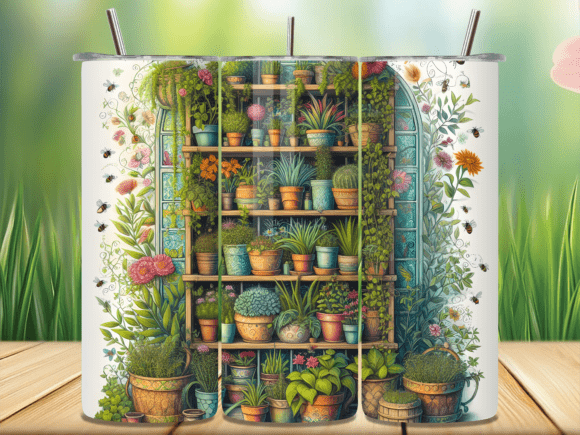
The Greenhouse Plant Shelf Tumbler Wrap brings a fresh, botanical vibe to any project. It features a stylized greenhouse filled with tiny potted plants, all neatly arranged as if on a floating shelf. The overall composition is balanced and visually engaging, with a soft, rounded shape that makes it feel inviting rather than imposing.
What stands out is the attention to detail—each plant is distinct yet cohesive, and the greenhouse structure adds a sense of warmth and creativity. The design doesn’t scream “embroidery,” which is a plus for modern tastes. Instead, it quietly conveys a message of growth, care, and style. That kind of visual personality works well for personalized gifts, especially if your customer base leans toward gardeners, plant lovers, or those who appreciate cozy home aesthetics.
Theme and Mood: Cozy Creativity
This design naturally fits into themes like nursery decor, holiday gifts, and even sweatshirt embroidery for kids or teens. Its muted tone and gentle lines suggest a calm, nurturing environment. For an Etsy seller or someone running a craft business, it can be used to brand eco-friendly products or promote a lifestyle centered around nature and mindfulness.
Real-World Embroidery Use: What Works and What Doesn’t
I’ve tried applying the Greenhouse Plant Shelf Tumbler Wrap to various embroidery projects, from custom tote bags to aprons and even custom apparel. Here's what I found:
- Tote Bags & Sweatshirts: The design looks great on cotton or stretch knits. On a tote bag, it becomes a subtle statement piece without overwhelming the fabric. On sweatshirts, it adds just enough character without becoming too fussy.
- Baby Clothes & Nursery Decor: Perfect for baby embroidery items like onesies or pillow covers. The theme is sweet and not too literal, which avoids being overly childish while still feeling age-appropriate.
- Patches and Caps: The wrap-style format means it needs some reworking to fit as a patch or on a curved surface like a cap. You’ll need to adjust the layout carefully to maintain clarity and avoid distortion.
- Kitchen Towels & Tea Towels: As long as the stitch density is adjusted to suit lightweight fabric, the design adds a lovely decorative touch without looking stiff or cluttered.
- Holiday and Wedding Gifts: The design is versatile enough to work for seasonal or event-based items. With a few tweaks to thread colors or adding text elements, it can become a unique personalized gift.
Where to Use Carefully
While the Greenhouse Plant Shelf Tumbler Wrap is adaptable, there are some limitations to consider:
- Small Hoop Sizes: The intricate layout may require a larger hoop to capture all details clearly. If you're working within tight constraints, you may need to simplify the design or focus on key elements.
- Textured or Thin Fabrics: The fine lines and delicate structures could lose definition on textured materials like linen or canvas. Similarly, thin fabrics may struggle with dense areas unless stabilizer is used properly.
- Stretchy Fabrics: Stretch can distort the shapes of the greenhouse and pots. Always test on a sample before committing to a batch of custom apparel.
- Dark Fabric Backgrounds: Thread color contrast is important here. While the design includes several colors, testing it on darker bases is essential to ensure visibility and impact.
- Curved Surfaces: As mentioned earlier, the tumbler wrap layout isn’t ideal for caps or hats. Curved surfaces can cause misalignment unless the design is segmented or resized thoughtfully.
- Detailed Corners: The greenhouse edges and pot placements are precise. Any stretching or shrinking during resizing could compromise the look.
Visual Appeal and Customer Reactions
In terms of visual appeal, the Greenhouse Plant Shelf Tumbler Wrap hits a sweet spot between playful and professional. Customers often gravitate toward designs that feel personal yet polished, and this one does both. It’s not over-the-top busy, so it won’t distract from other embroidered elements or logos.
When applied correctly, the design adds a layer of sophistication to small shop products. Think of it as a quiet confidence booster for handmade goods—something that says, “This is made with care.” For digital embroidery files sold online, this level of detail gives buyers a sense of quality and professionalism, increasing perceived value and customer trust.
Impact on Branding and Giftability
If you’re selling commercial embroidery or digital design assets, the Greenhouse Plant Shelf Tumbler Wrap can help reinforce a brand focused on wellness, sustainability, or homely aesthetics. It’s also highly giftable. Whether it’s a personalized baby item or a custom apron for a gardening enthusiast, the design feels thoughtful and tailored.
Its recognizable silhouette and consistent styling make it a strong candidate for building a signature look across product lines. Just imagine using variations of this theme for printable mockups, packaging, or social media content—it creates a unified visual identity that customers will come to expect and appreciate.
Embroidery Designer Notes: Best Practices
Before diving into production or client work, I recommend the following steps when using the Greenhouse Plant Shelf Tumbler Wrap:
- Test on Scrap Fabric: Try stitching the design on a few different fabric types to see how it behaves. Cotton, cotton blends, and light-weight quilting cotton are safe bets.
- Check Thread Color Contrast: Especially if you plan to use it on dark or patterned backgrounds. Sometimes, a single bold thread color can highlight the design better than multiple subdued shades.
- Review Stitch Density: Dense areas, particularly around the greenhouse structure, may need adjusting depending on the fabric thickness. Too much tension can warp the material.
- Confirm Hoop Size: Don’t assume it fits in every hoop. Some embroidery files expand beyond their original size when stitched, so double-check before hooping expensive or client materials.
- Inspect Small Details: Look at the pot handles, window panes, and leaf textures. These subtleties are what make the design stand out, but they can also be tricky if not stabilized correctly.
- Use Proper Stabilizer: Especially for lighter fabrics. A tear-away or cut-away stabilizer can help maintain the integrity of the design during and after stitching.
- Test in Black and White Mockups: See how the design translates if you decide to convert it into black thread only. This can help identify any areas that rely too heavily on color for definition.
- Compare Light and Dark Fabrics: How does the design read on white versus navy? Does it lose its charm on pastel tones? These are critical questions for any craft business aiming to offer varied options.
- Check Licensing Terms: If you're planning to sell finished items or digital versions, make sure the license allows for commercial use. Without proper permissions, you risk legal issues down the line.
Final Thoughts for Creative Entrepreneurs
The Greenhouse Plant Shelf Tumbler Wrap is more than just another embroidery file in your collection. It’s a design that can grow with your brand. From custom apparel to boutique branding, it has a place in many product lines. But like any good design asset, it requires thoughtful application and understanding of its strengths and weaknesses.
For hobbyists and handmade shop owners, it’s a reliable addition to your embroidery project toolkit. For digital product sellers, it offers a high-quality, niche-focused option that can set your offerings apart from generic floral prints. And for creative entrepreneurs eyeing commercial embroidery opportunities, it provides a foundation for developing themed collections around gardening, wellness, or domestic life.
So yes, I’d say this is a solid choice for those who want to blend practicality with personality. Just remember to treat it with the same care and consideration you would any premium embroidery design. The results will speak for themselves—and your customers will thank you for it.